
Recognizing When Immediate Repair and Recovery Are Necessary
Unexpected events such as storms, water intrusion, or fire can compromise a home’s structural integrity in a matter of hours. When this happens, immediate action is essential to prevent further deterioration and secondary damage. Professional intervention helps stabilize the property, address safety risks, and preserve materials that might otherwise be lost. Delays can allow moisture to spread, contaminants to settle deeper into surfaces, or weakened structures to become unsafe for occupancy.
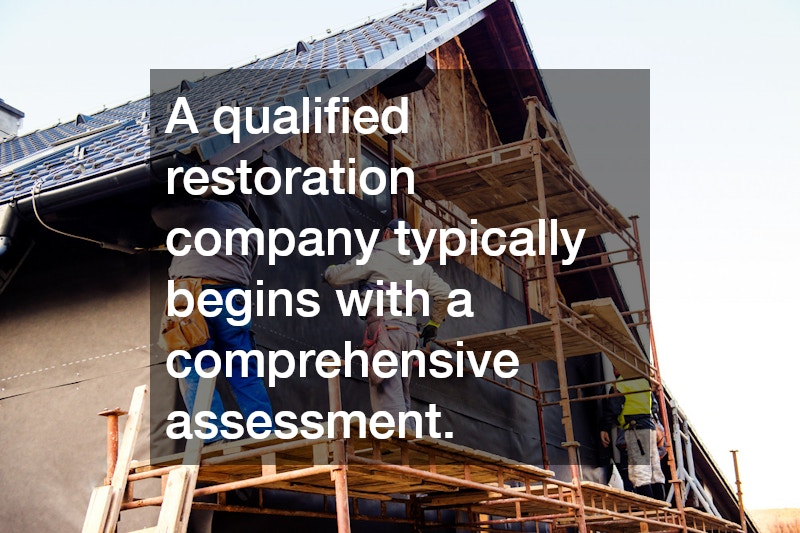
A qualified restoration company typically begins with a comprehensive assessment. This evaluation identifies visible damage as well as hidden issues behind walls, under flooring, or within insulation. Moisture, for example, can spread quickly and lead to mold growth if not addressed promptly. Smoke residue can also penetrate surfaces, causing long-term odor and material breakdown if left untreated. Advanced diagnostic tools such as moisture meters, thermal imaging, and air quality testing are often used to uncover problems that may not be immediately apparent.
Damage restoration services often include a structured process designed to restore both function and habitability. While the specific steps vary depending on the type of damage, homeowners can generally expect:
-
Initial safety inspections to identify hazards
-
Removal of compromised materials that cannot be salvaged
-
Drying, cleaning, and decontamination of affected areas
-
Structural repairs and surface restoration
Clear communication during this process is critical. Homeowners should ask questions about timelines, safety precautions, and which areas of the home may be temporarily inaccessible. Understanding the scope of work helps set realistic expectations and reduces stress during what is often a challenging time.
Acting quickly reduces the risk of additional repairs and limits long-term costs. Homeowners should also document damage thoroughly with photos and written notes, which can be helpful for insurance claims and repair planning. Keeping records of inspections, invoices, and completed work supports transparency and accountability.
Equally important is understanding that recovery does not end once visible repairs are complete. Follow-up inspections, moisture monitoring, and preventive measures such as improved drainage or ventilation help ensure that underlying issues have been fully resolved, protecting the home from recurring problems and future damage.
Planning Safe and Efficient Structural Removal
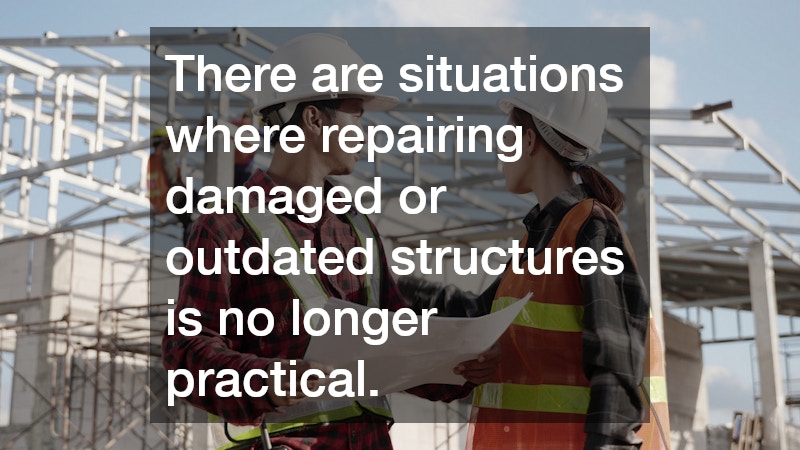
There are situations where repairing damaged or outdated structures is no longer practical. In these cases, controlled removal becomes a necessary step toward rebuilding safely and effectively. Structural removal requires careful planning to avoid unintended damage to surrounding areas and to comply with local regulations. When handled improperly, this phase can compromise neighboring structures, create safety hazards, or lead to costly code violations.
A professional demolition contractor evaluates the scope of work before any removal begins. This includes identifying load-bearing elements, utility connections, and nearby structures that must be protected. Whether removing a damaged section of a home or clearing space for a renovation, precision is critical. Contractors may also assess materials present on-site, such as older insulation or finishes, that require specialized handling or disposal.
Demolition is not simply about tearing things down. A thoughtful approach minimizes disruption and prepares the site for future work. Key considerations include:
-
Securing permits and scheduling inspections
-
Disconnecting utilities safely
-
Using methods that reduce dust and debris spread
-
Managing waste removal and recycling when possible
Noise control, site access, and protection of adjacent areas are also part of responsible planning, especially in residential neighborhoods. Temporary barriers or protective coverings may be used to safeguard landscaping and nearby structures.
Homeowners benefit from understanding the timeline and sequence of events. Structural removal often sets the foundation for subsequent repairs or construction, making coordination essential. Poor planning at this stage can delay future work or create additional expenses if issues are discovered too late.
Clear communication with the contractor helps ensure expectations are aligned. Asking about safety protocols, cleanup procedures, and post-removal inspections allows homeowners to remain informed and confident throughout the process. A well-managed removal phase creates a clean, stable starting point for rebuilding and long-term improvements.
Protecting the Home From Weather and Environmental Exposure
The roof serves as one of the most critical protective barriers in a home. It shields the interior from rain, wind, temperature extremes, and debris. When roofing systems fail, the resulting damage can extend far beyond the surface, affecting insulation, framing, and interior finishes. Even small leaks can allow moisture to spread unnoticed, leading to mold growth and structural deterioration over time.
Working with a skilled roofing contractor helps homeowners assess the condition of their roof and plan maintenance or replacement before problems escalate. Regular inspections can reveal issues such as missing shingles, weakened flashing, or compromised underlayment. These assessments are especially important after severe weather events, which can cause damage that isn’t immediately visible from the ground.
Common warning signs that warrant professional evaluation include:
-
Water stains on ceilings or walls
-
Curling, cracking, or missing roofing materials
-
Increased energy bills due to heat loss
-
Visible sagging or uneven roof lines
Preventive maintenance extends the life of a roof and reduces the likelihood of emergency repairs. This may include clearing debris from gutters, checking seals around vents, and addressing minor damage promptly. Seasonal maintenance can also help identify wear caused by temperature changes and natural aging.
Roofing decisions also influence energy efficiency and indoor comfort. Material selection, ventilation design, and insulation compatibility all contribute to long-term performance. Homeowners who approach roofing as a system rather than a surface are better positioned to protect their investment, improve energy efficiency, and maintain a safe, comfortable living environment year-round.
Preserving Exterior Surfaces and Property Boundaries

Coordinating Repairs and Improvements Across Multiple Systems
When projects involve multiple trades or overlapping systems, coordination becomes essential. Without proper oversight, timelines can slip, costs can increase, and quality may suffer. A general contracting service provides centralized management to keep projects organized and efficient, especially when work extends across several phases or areas of the home.
This role involves scheduling work in the correct sequence, ensuring materials are available when needed, and maintaining communication among all parties. Coordination is particularly valuable during renovations or large-scale repairs where plumbing, electrical, structural, and finishing work intersect. Without a clear plan, one delay can create a ripple effect that impacts every subsequent task.
An experienced coordinator also monitors compliance with building codes and inspection requirements, reducing the risk of failed inspections or costly corrections. They help anticipate challenges, such as material lead times or weather-related delays, and adjust plans proactively rather than reactively.
Benefits of professional coordination include:
-
Streamlined timelines with fewer delays
-
Reduced risk of rework or trade conflicts
-
Consistent quality standards across tasks
-
Clear accountability for project outcomes
Homeowners can support successful coordination by preparing detailed goals and priorities before work begins. Providing clear information about budget constraints, timelines, and desired outcomes helps align expectations from the start. It is also helpful to discuss how changes will be handled if unexpected issues arise.
Regular check-ins and progress updates keep homeowners informed and allow adjustments when necessary. Effective coordination transforms complex projects into manageable processes, helping ensure that improvements are completed safely, efficiently, and to a high standard of quality.
Maintaining Driveways, Walkways, and Exterior Access Points
Exterior access areas such as driveways and walkways play a critical role in both safety and functionality. Cracks, uneven surfaces, and drainage issues can pose hazards and detract from the overall appearance of a property. Because these areas experience constant foot traffic and vehicle use, even minor defects can worsen quickly if left unaddressed.
Working with experienced local paving contractors ensures that surfaces are designed and installed to withstand weather, traffic, and time. A driveway contractor evaluates factors such as soil conditions, slope, drainage patterns, and daily usage to recommend appropriate materials and construction methods. Asphalt, concrete, and pavers each offer different advantages depending on climate, maintenance expectations, and aesthetic preferences.
Signs that exterior surfaces need attention include:
-
Visible cracking or crumbling
-
Standing water after rainfall
-
Uneven or sunken areas
-
Surface discoloration or erosion
In addition to safety concerns, damaged access areas can affect drainage near the home’s foundation. Poor water flow may lead to pooling, erosion, or moisture intrusion, increasing the risk of structural issues over time.
Routine maintenance, such as sealing and cleaning, helps extend the life of paved surfaces by protecting against moisture penetration and temperature-related expansion. Seasonal inspections—either performed by homeowners or coordinated with a driveway contractor—allow early warning signs to be identified and repairs scheduled before conditions worsen.
Planning improvements with long-term use in mind allows homeowners to balance durability, appearance, and budget. Well-maintained access areas improve curb appeal, enhance daily convenience, and reduce the likelihood of accidents, making them an essential component of a strong, functional home.
Maintaining a strong and functional home requires more than responding to problems as they arise. It involves understanding how different services contribute to the stability, safety, and longevity of the property as a whole. From addressing unexpected damage to preserving exterior features and coordinating complex projects, each professional service plays a distinct role in protecting the home.
A well-maintained home is the result of consistent attention and informed planning. Regular evaluations allow small issues to be identified before they escalate into major repairs, saving time, money, and disruption. Preventive care also supports safer living conditions by reducing risks related to structural weakness, water intrusion, and surface deterioration.
Homeowners who take a proactive approach—prioritizing inspections, planning maintenance, and seeking qualified support—are better equipped to prevent costly issues and extend the life of their homes. Establishing relationships with trusted professionals creates continuity and helps ensure that work is performed with an understanding of the home’s history and needs.
Informed decision-making fosters confidence, reduces stress, and supports long-term value. When homeowners understand how systems and structures work together, they can make choices that align with both immediate needs and future goals. By viewing home care as an ongoing process rather than a series of isolated tasks, homeowners can create living spaces that remain resilient, comfortable, and functional for years to come. This comprehensive approach not only protects the investment but also enhances everyday quality of life, allowing the home to adapt gracefully to changing needs over time.