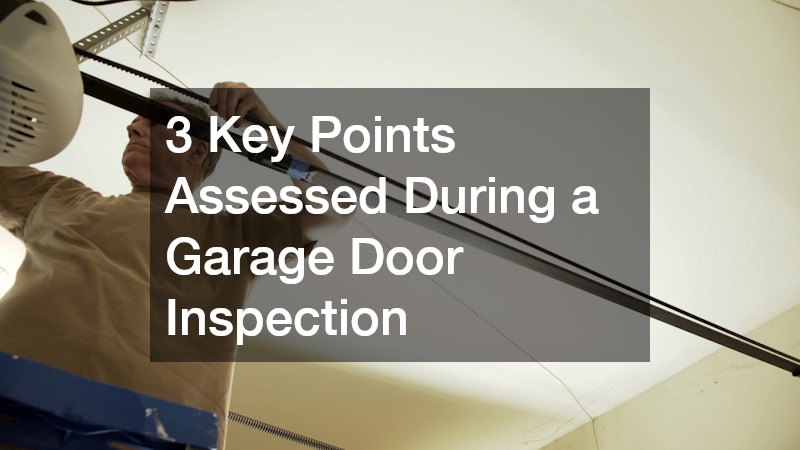

A garage door is more than just an entry point to your home; it is a critical component for safety, security, and convenience. Over time, wear and tear can compromise its functionality, creating potential hazards for both your family and property. Regular garage door inspections can help identify issues before they become costly repairs, ensuring the system operates efficiently and safely. Understanding what professionals evaluate during an inspection can help homeowners be proactive and informed.
1. Structural Integrity and Hardware Condition
The first area examined during the inspection of a garage door is the overall structural integrity of the door and its supporting hardware. Technicians carefully assess the panels, tracks, and mounting brackets for signs of damage, warping, or rust.
Even minor dents or corrosion can affect how the door operates, potentially leading to uneven movement or failure over time. Ensuring that every component is secure and properly aligned is essential for preventing accidents and maintaining smooth operation.
Hardware, including hinges, rollers, and fasteners, is scrutinized closely. Worn-out rollers can cause the door to stick or make excessive noise, while loose hinges may result in uneven motion or door misalignment. Professionals also check the springs and cables, which bear significant tension and are vital to lifting the heavy door safely. Any weaknesses detected during this stage are addressed promptly to avoid sudden malfunctions.
Inspecting structural elements also includes evaluating the door’s balance. A properly balanced garage door should stay in position when manually lifted halfway. Imbalances indicate problems with the springs or counterweight system, which can stress other components and lead to premature wear. By identifying these issues early, homeowners can prevent sudden failures that could pose safety risks.
2. Safety Mechanisms and Electrical Components
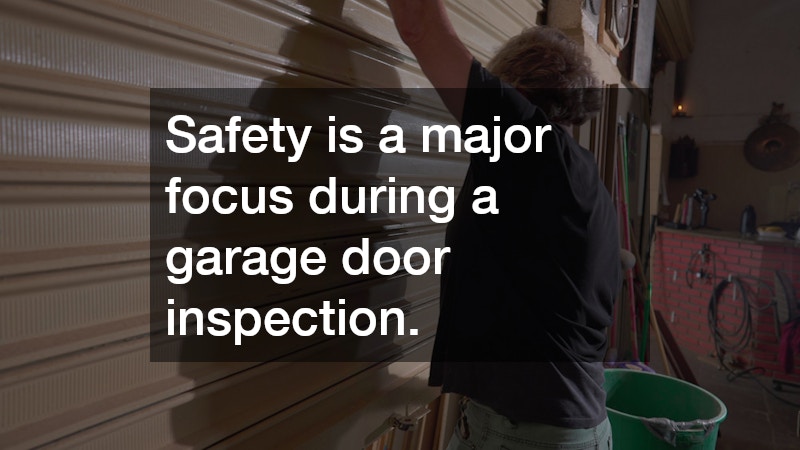
Safety is a major focus during a garage door inspection. Modern doors come equipped with multiple safety features, including auto-reverse sensors, emergency release mechanisms, and photo-eye systems. Inspectors test these features to confirm they are functioning correctly, as a malfunctioning sensor could fail to detect obstructions, leading to injury or property damage.
Electrical components, such as the motor and control panel, are also examined. Technicians look for frayed wires, loose connections, or signs of overheating that could interfere with operation. Testing the remote controls and wall-mounted switches ensures that the door responds consistently to commands. This step is crucial for both convenience and security, as a door that fails to close properly may leave the home vulnerable to intruders.
Another critical aspect of safety evaluation is the inspection of the emergency release. This mechanism allows the door to be manually opened in the event of a power failure. Inspectors ensure it is easily accessible and operates smoothly, preventing potential entrapment or difficulty during emergencies. Confirming the reliability of these features gives homeowners peace of mind, knowing their garage door is both functional and safe.
3. Weatherproofing and Environmental Considerations
A thorough inspection of a garage door also includes evaluating how well the door protects against environmental factors. Weatherstripping, seals, and insulation are assessed for wear or gaps that could let in drafts, moisture, or pests. Proper sealing not only maintains interior comfort but also extends the lifespan of the door by preventing rust and decay.
Inspectors also check for alignment between the door and the frame, ensuring it closes securely against the threshold. Misalignment can compromise both security and insulation, allowing cold air or water to enter the garage. In regions with extreme weather, proper weatherproofing is particularly important to prevent damage to stored items and maintain energy efficiency in adjacent living spaces.
Additionally, inspectors look for signs of water damage or mold near the garage floor and door edges. These environmental factors may indicate underlying drainage or foundation issues that need attention. By assessing both the door and its surrounding environment, homeowners gain a complete understanding of potential vulnerabilities that could affect functionality and comfort.
A garage door inspection is a comprehensive evaluation that extends beyond the surface. Professionals examine the structural components, hardware, safety mechanisms, electrical systems, and environmental protections to ensure the door operates reliably and safely. Regular inspections allow homeowners to detect minor issues before they escalate into costly repairs or hazardous situations. By staying proactive with maintenance and understanding what to expect during an inspection, you can protect both your home and your family while prolonging the lifespan of this essential feature.