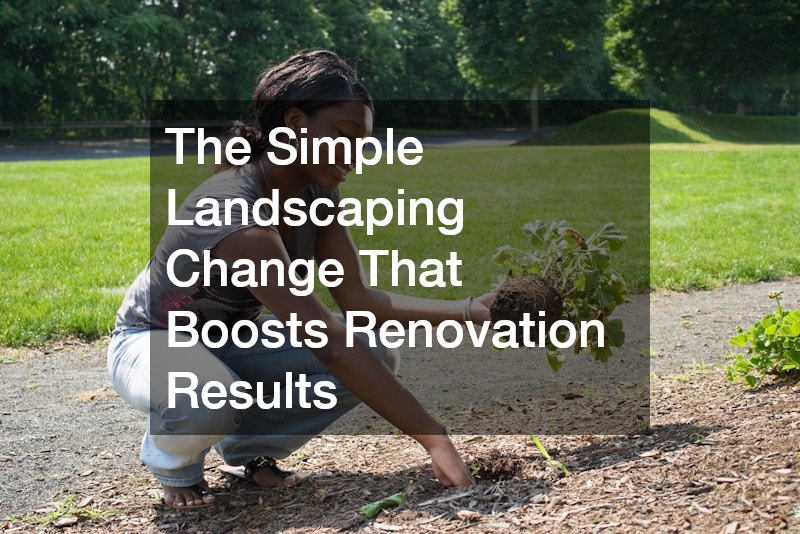

Home renovations often focus heavily on interiors, but outdoor spaces play an equally important role in the overall appearance and functionality of a property. A beautifully renovated kitchen or updated living room can lose impact if the exterior of the home feels neglected or disconnected from the improvements inside. Even relatively small outdoor upgrades can transform the way a property looks, feels, and functions. The exterior is the first thing visitors and potential buyers notice, making it a critical part of any renovation strategy.
The good news is that homeowners do not always need major construction projects to make a noticeable difference. Simple, intentional changes to outdoor areas often provide some of the highest returns in terms of comfort, appearance, and long-term value.
Start With a Cohesive Outdoor Design Plan

One of the most effective ways to improve renovation results is to begin with a clear outdoor design strategy. Many homeowners make the mistake of adding exterior features one at a time without considering how each element contributes to the overall appearance of the property. A cohesive plan helps create balance between the architecture of the home and the surrounding outdoor environment. It also prevents costly redesigns or mismatched features later in the project.
Thoughtful landscaping can dramatically improve the way a home looks after renovations are complete. Instead of viewing outdoor areas as separate from the renovation process, homeowners should treat them as an extension of the living space. Pathways, plant placement, lighting, and decorative accents should all support the overall design aesthetic of the property. Selecting the right landscaping material is especially important because it affects both visual appeal and long-term durability. Stone, mulch, gravel, and decorative borders should complement the style of the home while remaining practical for the local climate.
Creating a phased renovation strategy can also make outdoor improvements feel more manageable financially. Some homeowners begin with structural changes and later add decorative elements or planting features over time. This approach allows for better budgeting while still maintaining a cohesive vision for the property. A carefully planned exterior creates a polished appearance that enhances every other renovation completed on the home.
Improve Soil Quality Before Adding New Features
Healthy outdoor spaces begin below the surface. Many homeowners focus on plants, patios, and decorative upgrades without first evaluating the condition of the soil. Poor soil quality can affect drainage, limit plant growth, and create long-term maintenance challenges that reduce the effectiveness of renovation improvements. Preparing the ground properly ensures that future upgrades perform better and remain attractive over time.
Adding quality topsoil is one of the simplest ways to improve outdoor spaces before beginning additional projects. Healthy soil provides nutrients, supports root growth, and improves water retention for grass, plants, and gardens. It also helps stabilize the ground around pathways, patios, and planting beds. Without proper preparation, even the most attractive outdoor upgrades may struggle to maintain their appearance due to uneven settling, erosion, or poor plant health.
Soil preparation may not seem exciting compared to visible upgrades, but it forms the foundation for long-term outdoor success. Healthy soil reduces the likelihood of patchy grass, weak plants, and drainage problems that can undermine renovation efforts later. Investing time in the ground beneath the landscape helps ensure that future improvements remain healthy, vibrant, and visually appealing for years.
Create Strong Visual Structure With Elevation Changes
Outdoor spaces feel more polished and professionally designed when they include visual structure and variation. Flat, featureless yards often appear unfinished, even when surrounded by a beautifully renovated home. Adding elevation changes through raised garden beds, terraces, or defined levels can create depth and improve the overall flow of the property. These structural elements also help separate functional outdoor zones for relaxation, dining, or gardening.
Retaining walls are especially valuable for sloped properties or yards with drainage challenges. They help prevent soil erosion while adding visual definition and architectural interest. In addition to their functional benefits, retaining walls can create planting opportunities and improve the usability of uneven outdoor areas. Homeowners often use stone, concrete, or brick materials to coordinate these structures with the style of the home and surrounding features.
Professional hardscaping services can also help homeowners create more organized and visually appealing outdoor spaces. Features such as walkways, borders, patios, and decorative stone elements improve both accessibility and aesthetics. These additions create clear pathways and gathering spaces that make the yard feel intentional rather than random. Structural elements are particularly important after major renovations because they help unify the property’s exterior design.
The most successful outdoor designs combine structure with softness. Pairing greenery with stone or concrete elements creates a balanced appearance that feels welcoming rather than overly rigid. Elevation changes can make even modest yards feel more dynamic and luxurious when designed thoughtfully.
Upgrade Water Management for Healthier Outdoor Spaces
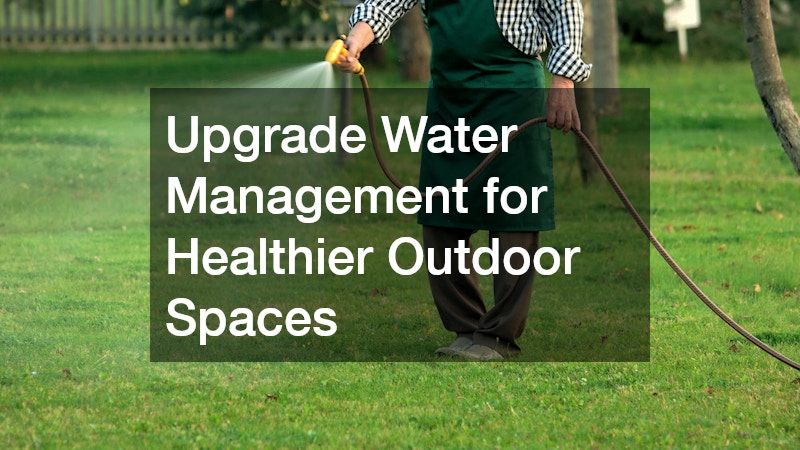
Water management is one of the most important yet overlooked aspects of outdoor renovation planning. Improper watering can quickly damage plants, weaken lawns, and create muddy or uneven areas that reduce curb appeal. At the same time, overwatering wastes resources and can contribute to root rot or mold growth near the home. Efficient water control supports healthier outdoor spaces while reducing maintenance demands over time.
Modern irrigation systems help homeowners maintain consistent moisture levels more effectively than manual watering methods. Automated systems can be programmed based on climate conditions, plant types, and seasonal weather patterns. This not only improves plant health but also helps conserve water by reducing unnecessary runoff and oversaturation. Smart irrigation technology has become increasingly popular because it allows homeowners to monitor and adjust watering schedules remotely.
Working with professional irrigation system installers ensures proper coverage and system performance. Experts understand how to position sprinkler heads, drip lines, and drainage features for maximum efficiency. Poorly installed systems often create uneven watering patterns that lead to dry patches or pooling water. Professional installation also helps homeowners avoid future repair issues caused by incorrect placement or inadequate water pressure.
Proper water management protects the investment homeowners make in outdoor renovations. Healthy grass, thriving plants, and stable soil all depend on balanced irrigation practices. By improving watering efficiency early in the renovation process, homeowners can create landscapes that remain attractive while requiring less long-term maintenance.
Add Defined Gathering Areas for Better Outdoor Living
Outdoor living spaces have become increasingly valuable as homeowners look for ways to extend comfort and functionality beyond the interior of the home. Renovation projects often feel more complete when outdoor gathering areas are incorporated into the design. Comfortable exterior spaces encourage homeowners to spend more time outdoors while also improving entertainment potential and property appeal.
A thoughtfully planned pergola install can dramatically enhance the atmosphere of an outdoor living area. Pergolas create shade, architectural interest, and a stronger sense of enclosure without making the space feel closed off. They also provide opportunities for decorative lighting, climbing plants, and outdoor seating arrangements that contribute to a more inviting environment. Homeowners frequently use pergolas to define dining areas, lounge spaces, or backyard retreats.
Layout planning is essential when designing outdoor entertainment areas. Seating should encourage conversation while maintaining comfortable traffic flow throughout the space. Materials should also withstand weather exposure while complementing the style of the home. Functional gathering areas increase the usability of outdoor spaces and help renovations feel more cohesive overall.
Replace High-Maintenance Areas With Durable Alternatives
Many homeowners discover after renovations that certain outdoor areas require far more maintenance than expected. Large grass sections, difficult slopes, or decorative planting beds can quickly become time-consuming and expensive to maintain. Replacing high-maintenance areas with more durable alternatives often creates a cleaner appearance while reducing ongoing upkeep demands.
Decorative lawn rock is one of the most practical options for reducing maintenance while still improving curb appeal. Rock features help control weeds, improve drainage, and add texture to outdoor designs. They are particularly useful in areas where grass struggles to grow or where homeowners want to reduce watering requirements. Decorative stone can also create contrast against greenery, helping landscaping features stand out more effectively.
Low-maintenance designs do not need to feel plain or sterile. The most successful outdoor spaces combine practical materials with carefully selected greenery and decorative accents. Durable alternatives simply reduce the amount of constant upkeep required to maintain a polished appearance. This allows homeowners to enjoy their renovated property without spending excessive time on maintenance tasks.
Focus on Lawn Health to Improve Overall Appearance
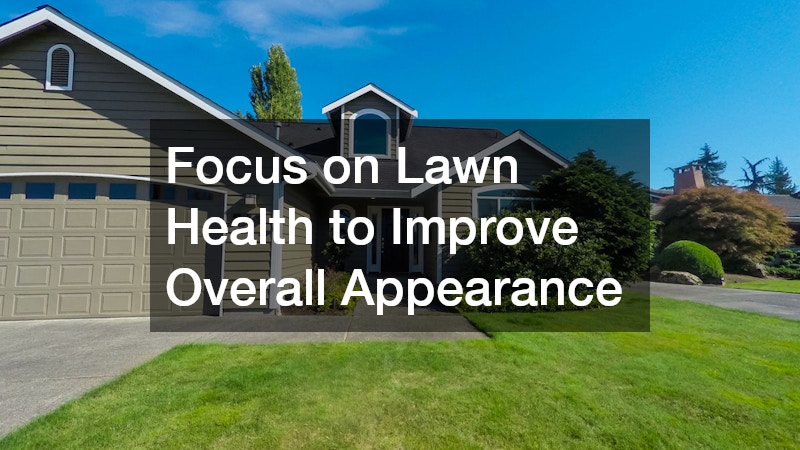
Healthy grass remains one of the most noticeable features of any outdoor space. Even beautifully renovated homes can appear neglected if the lawn looks patchy, uneven, or discolored. A healthy lawn creates a clean, inviting appearance that enhances every other outdoor feature surrounding the property. Proper lawn maintenance also supports drainage and reduces erosion around the home.
Consistent lawn care involves much more than occasional mowing. Grass health depends on watering schedules, fertilization, aeration, and seasonal treatments that address changing weather conditions. Many homeowners unknowingly damage their lawns by cutting grass too short or watering too frequently. These habits weaken root systems and increase vulnerability to weeds and disease.
Professional lawn care services can help homeowners maintain healthier grass more consistently, especially after major renovations disturb the surrounding soil. Renovation equipment, foot traffic, and construction debris often compact the ground and damage existing turf. A structured lawn maintenance plan helps restore healthy growth while preserving the overall appearance of the property. Vibrant grass provides a clean visual foundation that supports every other outdoor improvement.
Use Lighting to Highlight Renovation Improvements
Outdoor lighting has the ability to completely transform the appearance of a property after sunset. Without proper lighting, even beautifully renovated outdoor spaces can disappear visually at night. Strategic lighting improves safety while also highlighting architectural details, pathways, plants, and gathering areas. Well-placed fixtures create depth and atmosphere that make outdoor spaces feel more inviting and functional.
Layered lighting designs often produce the best results because they combine decorative and practical illumination. Path lights improve navigation, while accent lights draw attention to landscaping features and exterior textures. Soft lighting around patios or seating areas helps create a relaxing atmosphere for evening gatherings. Energy-efficient LED systems have become especially popular because they reduce electricity usage while providing long-lasting performance.
Balance is important when designing outdoor lighting systems. Excessive brightness can feel harsh and diminish the relaxing atmosphere homeowners are trying to create. Subtle, layered lighting generally feels more sophisticated and welcoming than overly bright floodlighting. A carefully illuminated exterior allows renovation improvements to remain visually impactful long after the sun goes down.
Incorporate Seasonal Plants for Long-Term Visual Interest

One reason some outdoor renovations lose appeal over time is a lack of seasonal variety. Landscapes that rely entirely on one type of plant or bloom cycle may appear attractive for only part of the year. Incorporating seasonal plants creates ongoing visual interest and helps the property feel vibrant across changing weather conditions. Rotating color and texture throughout the seasons also keeps outdoor spaces feeling fresh and updated.
A balanced planting strategy often combines evergreen plants with seasonal flowers and ornamental grasses. Evergreens provide structure and consistency year-round, while seasonal blooms introduce changing color and texture. Layering plant heights and shapes creates depth that makes outdoor spaces appear more professionally designed. Climate-appropriate plants also reduce maintenance demands because they are naturally suited to local weather conditions.
Thoughtful planting plans improve curb appeal without overwhelming homeowners with maintenance responsibilities. Seasonal variety keeps outdoor spaces visually interesting and complements the overall renovation design. When plants are selected strategically, they contribute to a polished and cohesive exterior throughout the entire year.
Maintain Outdoor Improvements to Protect Renovation Value
Outdoor renovations require ongoing attention to maintain their appearance and functionality over time. Even high-quality materials and professional installations can begin to deteriorate if neglected. Regular maintenance protects the investment homeowners make in their exterior upgrades while helping prevent expensive repairs later. A well-maintained yard also preserves the positive first impression created by renovation projects.
Routine inspections allow homeowners to identify small problems before they become major issues. Cracked walkways, clogged drainage systems, overgrown plants, and damaged lighting fixtures can all reduce curb appeal if ignored. Seasonal maintenance schedules help homeowners stay organized and prevent outdoor tasks from becoming overwhelming. Consistency is often more effective than occasional large-scale cleanup efforts.
Creating a realistic maintenance routine ensures that outdoor spaces remain enjoyable and visually appealing throughout the year. Homeowners should focus on manageable habits that fit their schedules and lifestyles. Proper maintenance allows renovation improvements to retain their value while continuing to support the beauty and functionality of the property.
Simple changes such as improving soil quality, upgrading lighting, creating gathering areas, and maintaining healthy outdoor spaces can dramatically enhance renovation results. Homeowners do not always need massive construction projects to make a noticeable difference. Strategic exterior upgrades often provide long-term visual and practical benefits that improve daily enjoyment while increasing property appeal for years to come.