

Buying a new home is exciting, but it can also come with an important question: should you renovate the property before moving in, or wait until after you have settled into the space? There are advantages to both approaches, and the right choice depends on the home’s condition, the scope of the project, your budget, and how quickly you need to move in.
Some homeowners prefer to complete major projects while the house is empty, while others want to live in the property first and determine which improvements are truly necessary. Understanding the benefits and drawbacks of each option can help you create a renovation plan that makes sense for your home and lifestyle.
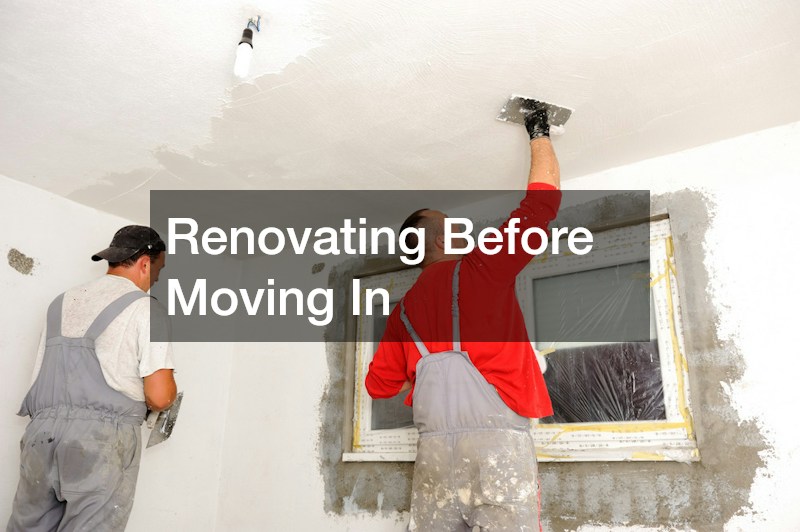
Renovating Before Moving In
One of the biggest advantages of renovating before moving into a new home is having an empty house to work with. Without furniture, personal belongings, and everyday household activities getting in the way, contractors can often complete certain projects more efficiently.
An empty home also gives you greater flexibility when it comes to larger renovations. Flooring can be replaced without worrying about moving furniture from room to room. Walls can be painted without protecting valuable belongings. Cabinets, fixtures, and other permanent features can be installed without having to work around your daily routine.
For homeowners planning significant changes, this can make the pre-move renovation period particularly appealing.
Complete Messy Projects First
Some renovations create considerable dust, debris, noise, or disruption. Completing these projects before moving your belongings into the home can make the entire process easier.
For example, removing old flooring, tearing out cabinets, opening walls, or replacing damaged materials can leave behind substantial debris. Depending on the size of the project, you may need a roll off dumpster to keep construction waste contained and make cleanup more manageable.
Concrete work can also be easier when the property is not occupied. If your renovation includes a new patio, walkway, driveway, or other structural improvement, a concrete contractor may need access to areas that would otherwise be occupied by vehicles, outdoor furniture, or other belongings.
Getting these disruptive projects out of the way early can prevent you from living in a construction zone.
Address Major Systems
Another reason to renovate before moving is to take care of major home systems while access is convenient.
If the property needs a new cooling system, completing the project before move-in may be worthwhile. Homeowners researching AC installation companies can evaluate their options and schedule the work before furniture and belongings arrive.
The same principle applies to plumbing. If an inspection reveals outdated pipes, leaks, or other concerns, working with plumbing companies before moving in may help prevent future disruptions.
Major mechanical projects can become much more inconvenient once you are living in the house. Taking care of them beforehand may allow you to start your new life in the home with fewer immediate repairs on your list.
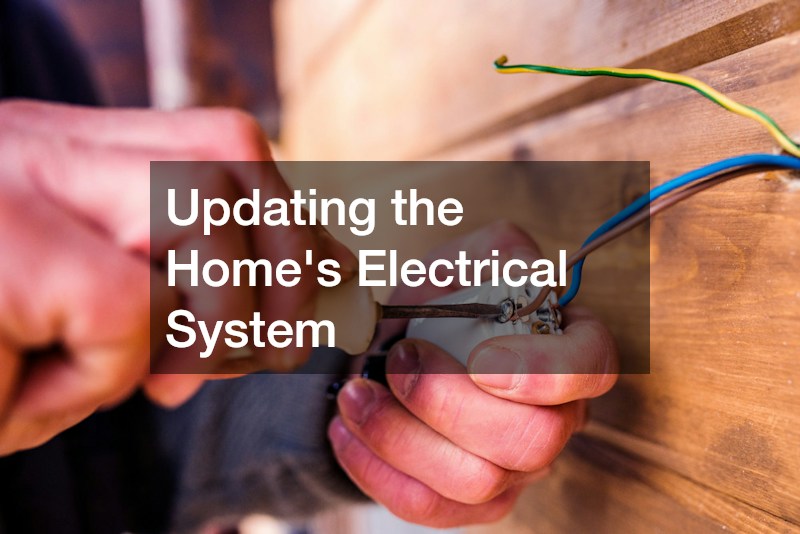
Updating the Home’s Electrical System
Older homes sometimes require electrical improvements before they are ready for modern household demands. This may include updating outlets, replacing outdated components, improving lighting, or addressing safety concerns.
A qualified electrical contractor can evaluate the property’s electrical system and determine whether improvements are necessary before you move in.
Electrical work can involve opening walls, accessing wiring, or temporarily interrupting power in parts of the home. Completing these projects before moving your belongings inside can make the process significantly less disruptive.
However, not every electrical update needs to happen immediately. Cosmetic lighting changes, for example, may be easier to evaluate after you have lived in the home and understand how you use each room.

Consider Kitchen Renovations Before Moving
The kitchen is one of the most popular areas for homeowners to renovate. If you already know that you want to replace outdated cabinets, flooring, appliances, or countertops, completing the project before moving can be especially convenient.
Kitchen renovations can make the room difficult or impossible to use for an extended period. If the kitchen is already empty, you do not have to relocate food, dishes, cookware, and small appliances multiple times.
If your plans include new surfaces, countertop installation can be coordinated with other kitchen improvements so the space is completed as efficiently as possible.
That said, there is also a strong argument for waiting.
Why You May Want to Wait
Moving into a new home gives you something that plans and inspections cannot always provide: firsthand experience living in the space.
A house may look perfect during a showing, but once you spend several weeks there, you may discover that certain rooms function differently than you expected. You may realize that a particular wall does not need to be removed, that the kitchen layout works better than anticipated, or that you would rather spend your budget somewhere else.
Living in the home first can help you make more informed decisions.
Learn How You Use the Space
One of the biggest benefits of waiting is that you can observe your daily habits.
You might discover that the bedroom receives more sunlight than expected. Perhaps the living room needs better lighting, or maybe you find that the entryway lacks enough storage for your family’s needs.
These details can influence renovation decisions.
Instead of immediately spending thousands of dollars changing a room based on assumptions, you can live with the existing layout and determine what actually bothers you.
This approach can be particularly useful for cosmetic projects that are not urgent.
Avoid Unnecessary Renovations
It is easy to become overwhelmed by everything you want to change after purchasing a home. Fresh paint, new flooring, updated bathrooms, remodeled kitchens, new fixtures, landscaping, and other improvements can quickly add up.
Waiting allows you to separate needs from wants.
You may initially believe that the entire kitchen needs to be remodeled, only to discover that replacing the lighting and hardware gives you the updated appearance you wanted.
Similarly, you may think a room needs a complete renovation when a new paint color and better organization would solve the problem.
Taking your time can protect your renovation budget and help you prioritize projects with the greatest impact.
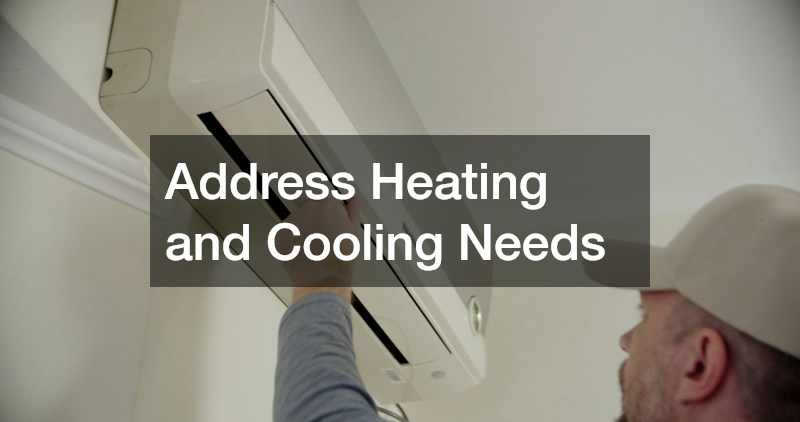
Address Heating and Cooling Needs
Heating and cooling systems deserve special consideration when deciding whether to renovate before or after moving.
If the home’s existing system is failing, inefficient, or unsuitable for the property, addressing the issue before moving may make sense. Qualified HVAC contractors can inspect the system and help determine whether repairs, replacement, or other improvements are appropriate.
On the other hand, if the system is functioning properly, there may be no reason to replace it immediately simply because it is older.
Living in the home can help you understand temperature differences between rooms, airflow concerns, and your actual comfort needs. This information can make future HVAC decisions more practical.
Don’t Ignore Water-Related Problems
Certain repairs should not be postponed simply because you would rather wait and see how you feel about the home.
Water intrusion is a good example.
If an inspection or walkthrough identifies active leaks, moisture damage, or other serious concerns, those problems should be addressed promptly. Delaying repairs can allow damage to become more extensive.
If the property has already experienced significant moisture-related problems, a water damage repair service may be needed to restore affected areas and address the consequences of the damage.
Water problems can affect flooring, drywall, insulation, cabinetry, and other parts of the home. Resolving them before moving in can help prevent your belongings from being exposed to additional damage.
Think About Exterior Maintenance
Renovating before moving does not necessarily mean focusing only on the interior.
Exterior maintenance can also influence the home’s condition and long-term performance. Gutters, for example, play an important role in directing rainwater away from the property.
Regular gutter maintenance services can help homeowners keep these systems functioning properly and reduce the risk of water accumulating around the home’s foundation or damaging exterior areas.
Unlike a full renovation, routine maintenance may not require you to delay your move. However, addressing neglected exterior systems early can help prevent larger problems later.
Renovations That Are Easier After Moving
Not every improvement needs to happen before move-in day.
Some projects are actually easier to plan once you understand how the home works for you. Built-in storage, room layouts, decorative features, landscaping, and certain remodeling projects can benefit from a period of observation.
You may also discover that your original renovation priorities change after living in the property.
For example, you might initially plan to convert a spare bedroom into an office. After moving in, you could realize that another room would make a better workspace because it has more natural light.
Living in the house gives you the opportunity to make decisions based on real experience rather than assumptions.
Consider Your Moving Timeline
Your moving schedule should also influence your renovation strategy.
If you have several weeks between closing and moving day, you may have enough time to complete several major projects. This window can be valuable because the home is empty and contractors can work without disrupting your household.
If you have to move in immediately, however, attempting to complete a long list of renovations beforehand may create unnecessary stress.
In these circumstances, focus on essential repairs and improvements first. Cosmetic renovations can be scheduled later.
It can also be helpful to coordinate your timeline with professional moving companies so your belongings arrive after major construction and cleanup have been completed.
Create a Renovation Priority List
Whether you renovate before or after moving, a priority list can keep your plans organized.
Start by identifying problems that affect safety, functionality, or the home’s structural condition. These should generally take precedence over cosmetic updates.
Next, consider projects that will create significant disruption. If a project requires extensive demolition, affects multiple rooms, or produces substantial dust and debris, completing it before moving may be advantageous.
Finally, consider cosmetic improvements such as paint colors, decorative fixtures, hardware, and design changes. These projects can often wait until you have had time to understand the home’s existing character.
Consider Your Budget
Your renovation budget is one of the most important factors in determining when to begin.
Buying a home already involves numerous expenses, including closing costs, moving expenses, furnishings, insurance, maintenance, and unexpected repairs. Spending your entire renovation budget immediately can leave you without financial flexibility.
A phased approach may be more comfortable for some homeowners.
You could complete urgent repairs before moving, settle into the property, and then save for additional renovations over the following months or years.
This strategy also gives you time to compare contractors, obtain estimates, research materials, and make thoughtful design decisions rather than rushing because of a move-in deadline.
Renovation Before Moving vs. After Moving
Ultimately, there is no universal answer to whether renovations should happen before or after moving.
Renovate before moving if:
- The home needs major repairs.
- The project will create substantial dust or debris.
- You are replacing flooring throughout the home.
- You already know the layout needs to change.
- Major plumbing, electrical, HVAC, or structural work is necessary.
- You have sufficient time before move-in.
- The home will be easier to renovate while empty.
Consider waiting if:
- The renovations are primarily cosmetic.
- You are unsure what changes you actually want.
- Your budget is limited after purchasing the home.
- The existing systems are functional.
- You want to understand how you use the space.
- You need time to prioritize projects.
- You would rather renovate gradually.
The most practical solution for many homeowners is a combination of both approaches. Complete urgent repairs and highly disruptive projects before moving, then wait on cosmetic or preference-based renovations until you have spent some time in the home.
Make Your New Home Work for You
Moving into a new house does not mean every room has to be perfect immediately. A home can evolve over time as you learn what works, what does not, and what improvements will genuinely make your everyday life easier.
Before scheduling renovations, walk through the property carefully and consider which projects are essential, which will be most disruptive, and which can safely wait. If a major system needs attention, prioritize that work over cosmetic changes. If you are simply looking for a different style, consider living in the home first so you can make decisions with greater confidence.
The best renovation timeline is ultimately the one that balances your home’s needs, your budget, your schedule, and your long-term plans. Whether you complete the work before the moving truck arrives or gradually transform the property after settling in, thoughtful planning can help you create a home that feels comfortable, functional, and truly yours.